Education, Dentistry, and Opportunity
The Trotter family collection also documents the educational and professional pursuits of its members.
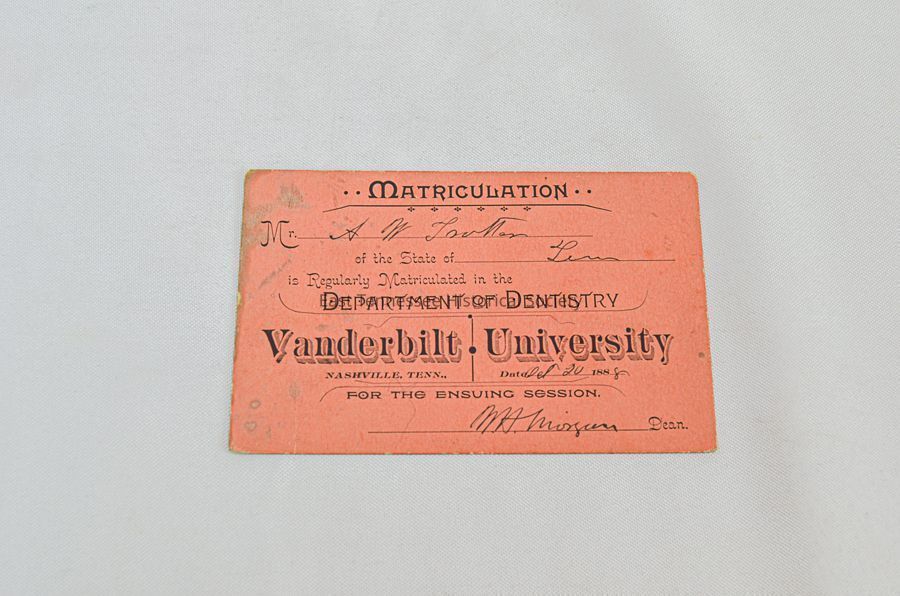
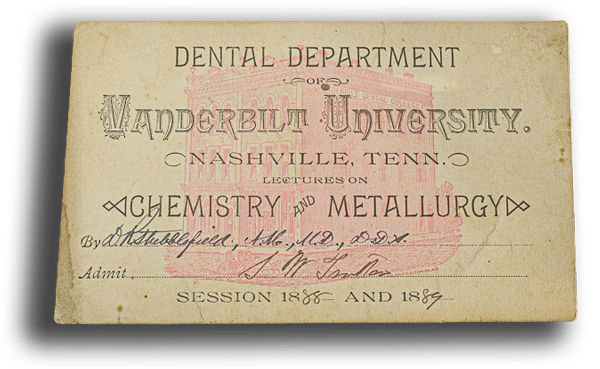
A framed photograph of the 1889 graduating class of the Vanderbilt University Dental School includes A. W. Trotter of Tennessee. The collection contains vintage dentistry schoolbooks and religious books associated with Ashley Trotter’s time at Vanderbilt University, along with materials documenting the family’s connections to Murphy College.
These materials help tell the story of education as an avenue for opportunity. Rather than viewing a nineteenth-century or early twentieth-century family solely through the lens of domestic life, the Trotter collection reveals individuals pursuing higher education, professional careers, and new experiences beyond their home community.
Preserving Family Memories
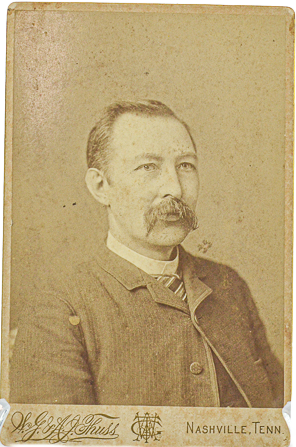
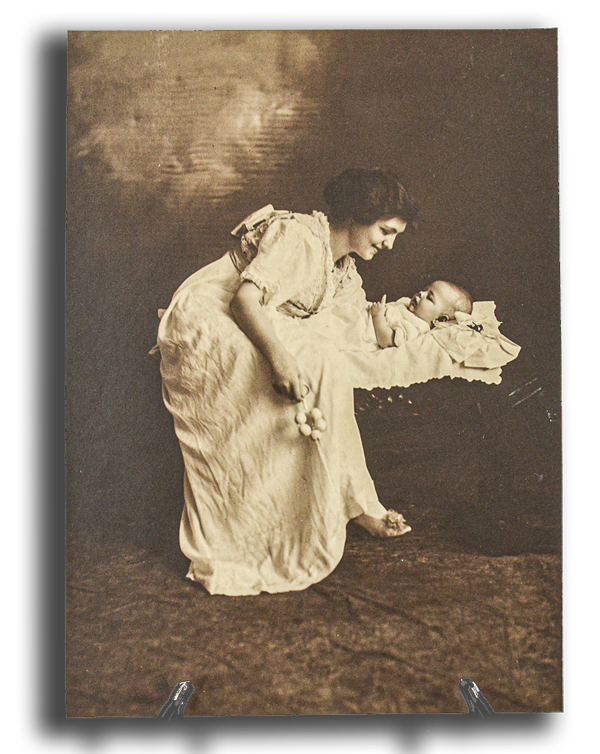
Dozens of photographs depict members of the Trotter family, including Ashley Trotter, Julia Belle Wynne, Lucille Trotter Childress, Robert B. Childress, and Jess Trotter. The photographs range from formal studio portraits to candid images of family members and everyday life. Several photo albums are containing images of Maryville College and the Sevierville area between 1903 and 1914.
By the 1920s and 1930s, the Trotter family’s story expands far beyond Sevier County. The collection contains photo albums, letters, and more documenting travels from the Pacific region of the United States to Europe and South America. Among the photographs are images preserved in sleeves from Knoxville’s Kuhlman Drug Store. Other photographs and postcards were developed through Thompson Brothers Photographers, with some materials documenting Jess Trotter’s travels.
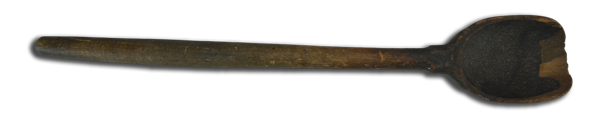
These items illustrate how dramatically the world available to one East Tennessee family had changed. Within only a few generations, the collection moves from handmade household implements and farm labor to automobiles, higher education, photography, international travel, and correspondence from around the globe.
Letters That Bring the Past to Life
The collection includes an 1875 letter from A. W. Trotter to his brother discussing family interests and business, as well as letters exchanged between Dr. A. W. Trotter and Julia Belle Trotter and other family members in the 1880s.
These letters offer glimpses into family relationships, local business, travel, and the aftermath of the Civil War. One particularly intriguing document is an 1865 letter from Samuel Brownlow, Adjutant General in Nashville, authorizing Major Wynn to carry weapons. The Wynn family was connected to the Trotters through marriage.
The collection also includes two 1867 letters relating to the Rogersville Female Academy, along with an act incorporating the academy and a deed.
Even the envelopes tell part of the story. One newspaper preserved in the collection bears an envelope addressed with “A. W. Trotter Dentist Sevierville, Tenn.” as the return address, while the name and artillery rank of Raymond J. Trotter are written on it in ink.
Books, Bibles, and Belief
Among them is an 1808 edition of The Married Lady’s Companion, associated with Mitchell and Penelope Porter, who married in 1785. The book, leather-bound by Samuel Jennings, reflects the expectations and advice surrounding marriage and household life in the early nineteenth century.
The collection also contains three Bibles, including a small ornate Bible, a family Bible inscribed to John S. Trotter in 1777, and a large family Bible decorated with gold leaf and bearing the names A. W. Trotter and J. B. Trotter.
The Stories We Carry Forward
Taken together, the Trotter collection is much more than an assortment of family heirlooms. It is a record of change.
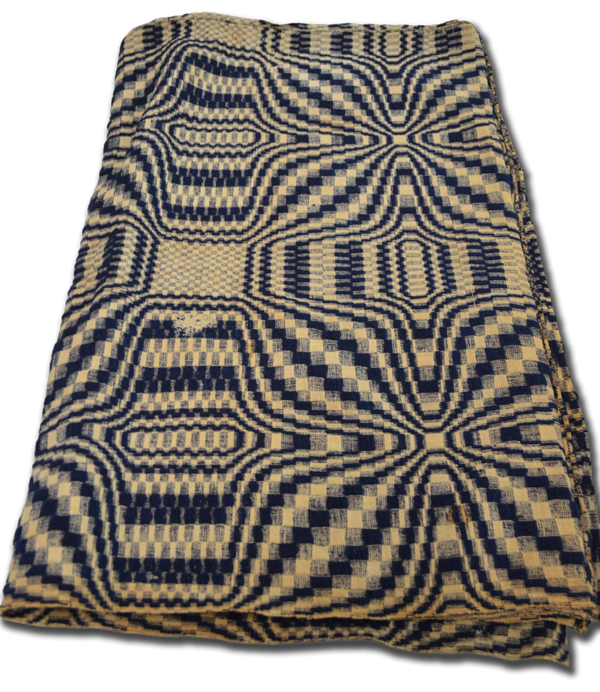
It tells the story of a Sevier County family whose lives were rooted in home, farm, family, education, and community. The collection demonstrates why preserving family history matters. Each object carries a piece of a larger story especially when those objects are preserved together and the stories stay with the objects.
The museum is grateful to Nancy Childress, great-granddaughter of Ashley Wynn Trotter, for entrusting this collection to our care. Through her generosity, the stories of this East Tennessee family can continue to be shared with generations to come.
—
View more of the Trotter collection below. You can also explore more of the Trotter family collection records through the Calvin M. McClung Historical Collection.