A Memorial to Dr. Bob Booker
All of us at the East Tennessee Historical Society were very saddened to learn of the passing of Bob Booker on the 22nd of February.

Authored By
Warren Dockter, Ph.D. on February 27, 2024


All of us at the East Tennessee Historical Society were very saddened to learn of the passing of Bob Booker on the 22nd of February.

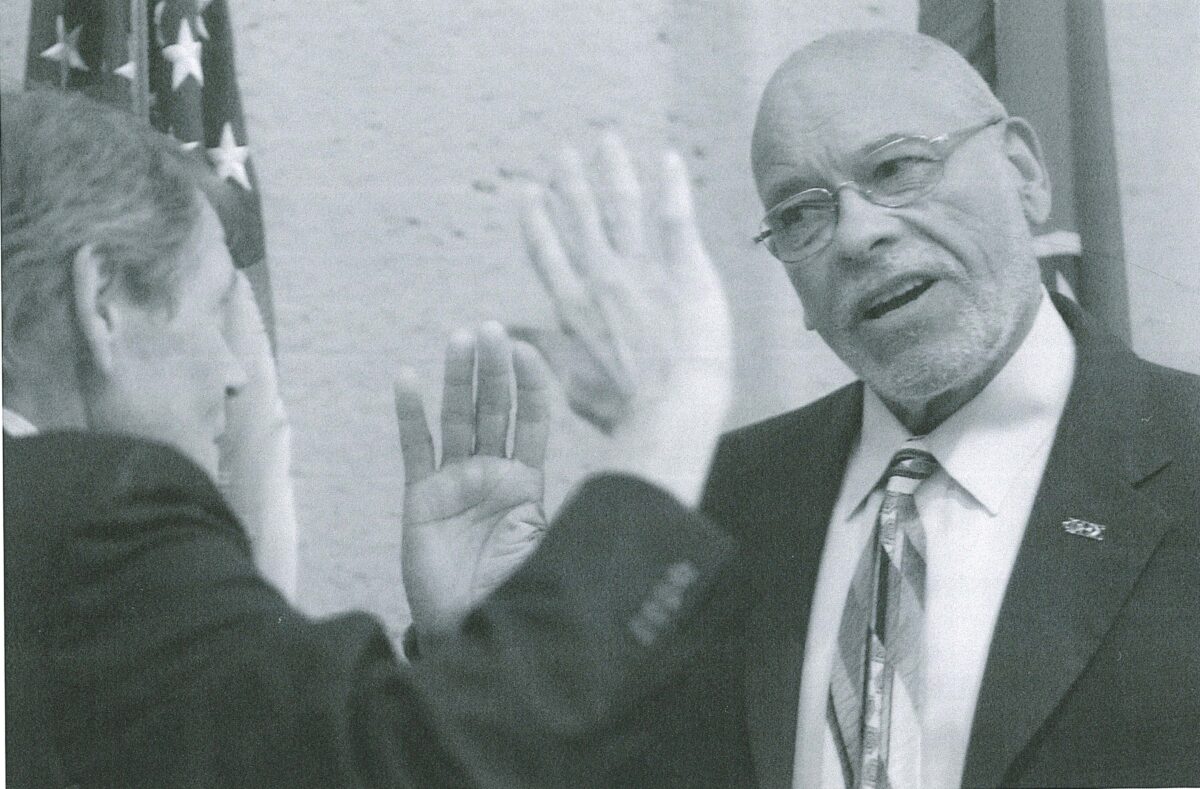
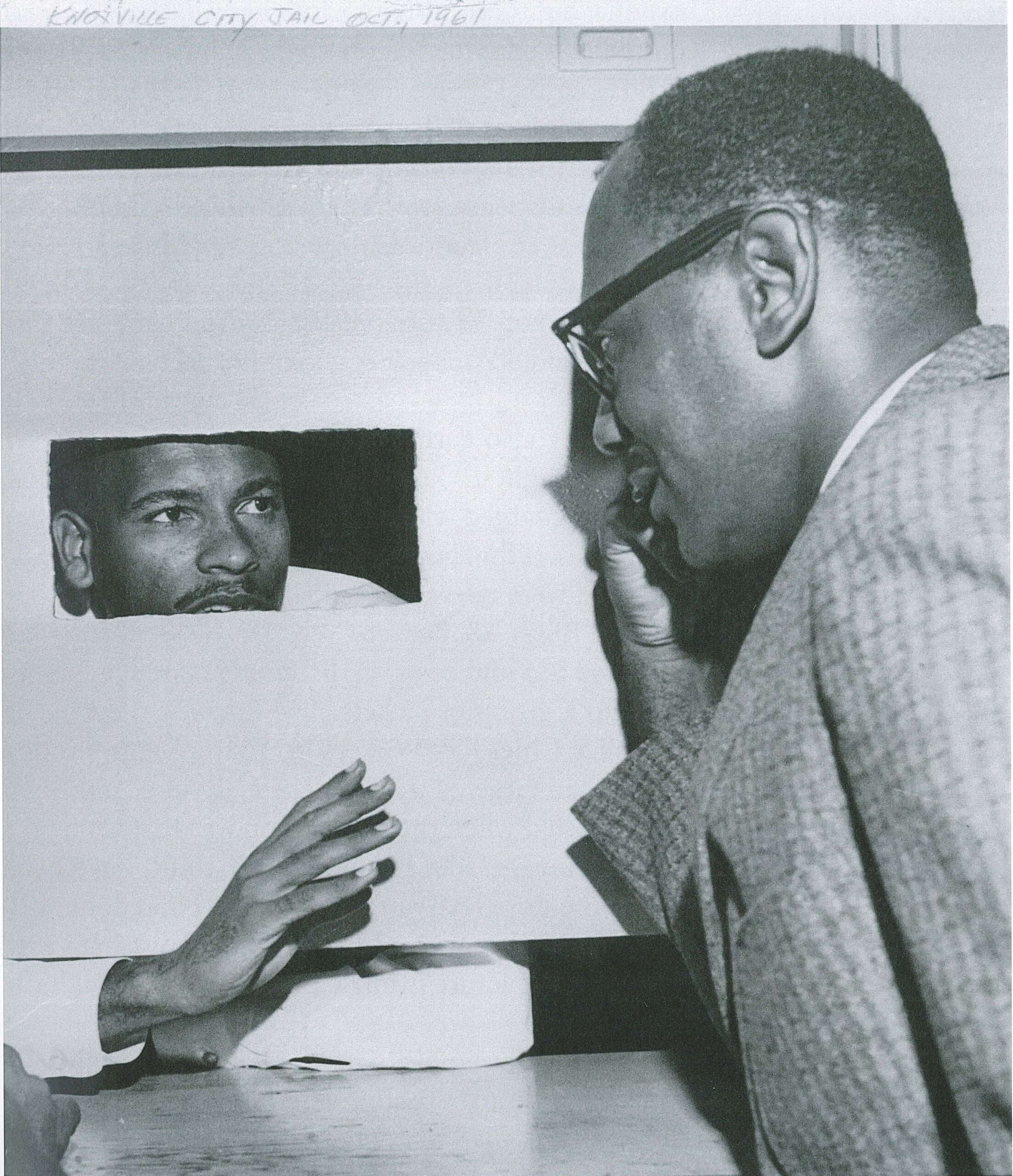
Dr. Booker was a powerful voice for change and a leader during the Civil Rights movement in Knoxville. As a student at Knoxville College, he was president of the student body when he was jailed protesting Jim Crow rules in Knoxville. He also led the sit-in movement to integrate lunch counters and played a pivotal role in the integration of the historic Tennessee Theatre in 1963. Later, he became Knoxville’s first Black Tennessee state representative.
Dr. Booker was also a historian, authoring countless articles for the News Sentinel and was an author who published five books which explore Black history in Knoxville and the role of the Civil Rights movement in East Tennessee. His work on the perils of urban renewal in Knoxville and its legacy are essential. As Angela Dennis has said, ‘His passion for history was contagious as he tirelessly worked to ensure that the narratives of the Black experience were never forgotten.” In fact, Dr. Booker’s work marks him as one of Tennessee’s most important historians. For me, he sits alongside great historians such as W.E.B. Du Bois, who pioneered the concept of Black History and other major figures like Mary Frances Berry and Roger Wilkins. His books like Two Hundred Years of Black Culture in Knoxville, Tennessee 1791-1991, and Heat of a Red Summer are necessary reading for anyone studying Black history of the South and certainly for those studying it in Tennessee. Even his local histories like From the Bottom up and The 120 Year History of Knoxville College are central narratives for the study of Black history and culture from Knoxville College to urban renewal and how it affected Knoxville and blighted a generation of its Black citizens.
He remains a profound influence on my own thinking as a historian and as a person. He was always happy to lend a hand on a project and was so generous in sharing his knowledge. We often discussed music as we both hosted radio shows. We often talked about jazz musicians like Duke Ellington and Count Basie. He loved music and singing karaoke and would tell me the best karaoke bars to visit when I first moved back to Knoxville. We are all slightly reduced now in his absence, but his legacy lives on in his histories which will continue to inform, educate, and inspire new generations.




 →
→
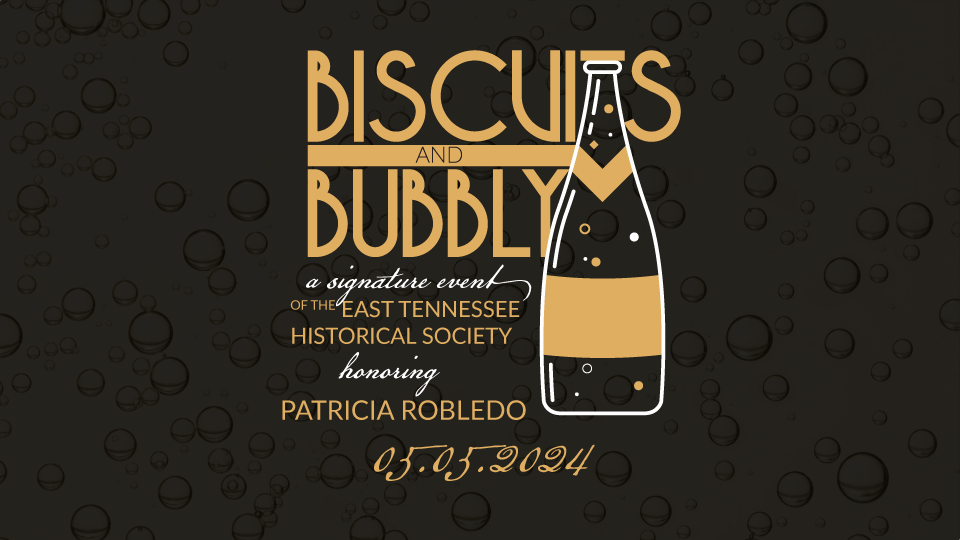
Put on your jazziest attire and help us honor Patricia Robledo with the Spirit of East Tennessee Award at the second annual Biscuits & Bubbly on Sunday, May 5, 2024, at The Standard.
 →
→
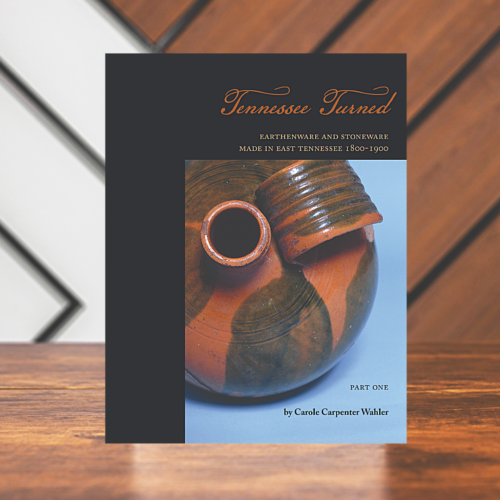
A catalog based on the Museum of East Tennessee History’s 1996 exhibition Made in East Tennessee: Pottery
 →
→